The Short Answer
It depends on the type of care:
- Residential aged care: There is no formal national waiting list. Once you have ACAT approval, you contact facilities directly. Typical time to find and secure a bed: 1–8 weeks, depending on location and preferences.
- Support at Home: There is a national queue. Wait times are 1–3 months for Classification 1–2 and longer for Classification 7–8, the higher-need classifications.
Residential Care Wait Times
Unlike Support at Home, residential aged care does not have a centralised waiting list. The process works more like finding a rental property:
- You receive ACAT approval for residential care.
- You search for facilities on My Aged Care or contact facilities directly.
- Facilities offer you a place when a bed becomes available.
Typical wait times by situation:
| Situation | Typical wait |
|---|---|
| Any available facility in your region | 1–4 weeks |
| Specific preferred facility (with vacancies) | 1–4 weeks |
| Specific preferred facility (no current vacancies) | 1–6 months |
| High-demand metropolitan area | 2–8 weeks |
| Regional/rural area with limited providers | 1–12 weeks (variable) |
| Specialist dementia unit | 2–12 weeks |
Homes on Aged Care Circle
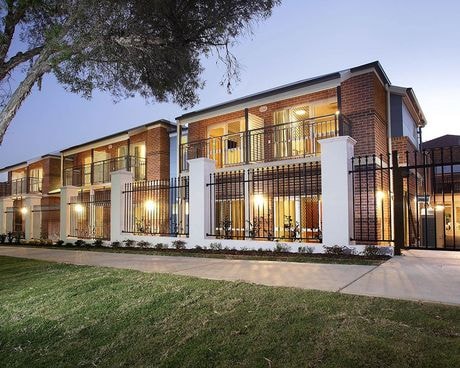
These are example aged care facilities.


Support at Home Wait Times
Support at Home does have a national queue managed by Services Australia. After ACAT approval, you are placed in the queue and assigned a classification and budget when one becomes available at your approved level.
Current estimated wait times (2026–27)
| Classification | Annual budget | Estimated wait |
|---|---|---|
| Classification 1–2 (Basic to low) | $11,010–$16,451 | 1–3 months |
| Classification 3–4 (Low to moderate) | $22,537–$30,469 | 2–6 months |
| Classification 5–6 (Moderate to high) | $40,730–$49,365 | 3–9 months |
| Classification 7–8 (High to complex) | $59,660–$80,137 | 3–9+ months |
Wait times for the highest-need classifications remain the most substantial, similar to the pattern under the former Home Care Package system. Government investment in additional places continues to work through the queue, but the higher classifications still see the longest waits.
How the queue works
- Priority is based on clinical need, not time on the list. People with more urgent care needs are prioritised.
- You may be offered an interim lower classification while waiting for a higher one. For example, you might receive Classification 2 while waiting for your approved Classification 7. Accepting an interim classification does not affect your place in the queue for the higher one.
- When a classification is assigned, you receive a letter with a referral code and a deadline (typically 56 days) to choose a provider.
Already have a Home Care Package?
Support at Home replaced Home Care Packages (HCP) for new entrants on 1 November 2025. If you were already receiving an HCP approved on or before 12 September 2024, you transitioned automatically onto Support at Home and keep your existing “no worse off” fee protections — your place in any queue and your existing package funding were not affected by the change.
What Affects Your Wait Time
Residential care
- Location: Metropolitan areas with many providers generally have shorter waits. Remote areas may have limited or no facilities.
- Room type: Shared rooms are typically more available than single rooms. Premium suites have the longest waits.
- Specialised care: Dementia units, culturally specific facilities, or faith-based homes may have fewer beds and longer waits.
- Flexibility: Families willing to consider multiple facilities or a wider geographic area generally find beds faster.
Support at Home
- Approved classification: Higher classifications (7 and 8) have longer waits because they cost the government more and there are fewer places available.
- Priority rating: People assessed as having higher or more urgent needs are placed ahead of those with lower priority, regardless of when they joined the queue.
- Geographic area: Allocation is national, not regional, so location has minimal effect on Support at Home wait times.
What to Do While You Wait
The wait for a Support at Home classification or preferred residential facility can be stressful. Here are practical options during the wait:
For Support at Home waits
- Entry-level home support: Individual support services (cleaning, meals, transport, personal care) may be available while waiting for your assigned classification. Lower cost and lower intensity, but can bridge the gap. Contact My Aged Care to arrange.
- Accept an interim lower classification: If offered Classification 1 or 2 while waiting for Classification 7 or 8, consider accepting it. Some support is better than none, and it does not affect your place in the higher-classification queue.
- Private home care: Hire private carers out of pocket for additional hours. Costs vary ($30–$60/hour) but there is no waiting list.
- Carer support: Contact Carer Gateway (1800 422 737) for respite services, counselling, and support for family carers.
For residential care waits
- Residential respite: A short-term stay (up to 63 subsidised days per year) can provide immediate care while a permanent bed is found.
- Transition Care Programme: After a hospital stay, transition care provides up to 12 weeks of support (at home or in a facility) while longer-term arrangements are made. Ask the hospital about eligibility.
- Contact multiple facilities: Don’t wait for one facility — register interest with several and take the first suitable bed offered.
Priority Access
Certain circumstances can result in priority access to care:
Residential care
- Hospital discharge: People who cannot safely return home after a hospital admission are often fast-tracked. Hospital social workers can expedite the process.
- Homelessness or unsafe living: People at risk are prioritised for available beds.
- Carer unavailability: If the primary carer dies, becomes ill, or can no longer provide care, emergency placement may be arranged.
Support at Home
- High clinical need: People assessed by ACAT as having urgent care needs are prioritised in the national queue.
- Risk of premature residential admission: If the person is at risk of entering residential care prematurely without adequate home support, this may increase their priority.
Already Have a Home Care Package?
Home Care Packages were replaced on 1 November 2025
The Support at Home program replaced the four-level Home Care Package (HCP) and Commonwealth Home Support Programme (CHSP) systems for new entrants on 1 November 2025.
- If you were already approved for and receiving an HCP on or before 12 September 2024, you transitioned automatically onto Support at Home and keep your existing “no worse off” fee protections — your place in the queue and existing funding were unaffected.
- Anyone assessed from 1 November 2025 onward is assessed directly into a Support at Home classification — there is no separate HCP queue to join.
For more on what changed and why, see our 2025 Aged Care Act Changes guide.